A Comprehensive Look at Whether Wholesaling Houses Is Legit
The practice of wholesaling houses is gaining traction, leading to questions about its legal standing. This article aims to shed light on the legality and ethical considerations of wholesaling in real estate. By understanding the intricacies of wholesaling, you can make informed decisions about engaging in this strategy. We'll cover the definition of wholesaling, legal considerations, ethical concerns, and how to conduct wholesaling properly. Let's dive into the world of wholesaling houses to determine its legitimacy in the real estate market. This information is valuable for anyone considering wholesaling as part of their investment portfolio. By the end of this article, you'll have a comprehensive understanding of wholesaling's legal and ethical dimensions.
At its core, wholesaling is about finding undervalued properties and connecting sellers with interested buyers. Because you don't purchase the property, the financial barriers to entry are low. Understanding the legal and ethical aspects is essential to ensure wholesaling is conducted legitimately. Expert opinions from best real estate investing blog WholesalingHousesInfo.com will provide depth to our exploration.
The Basics of Wholesaling Houses
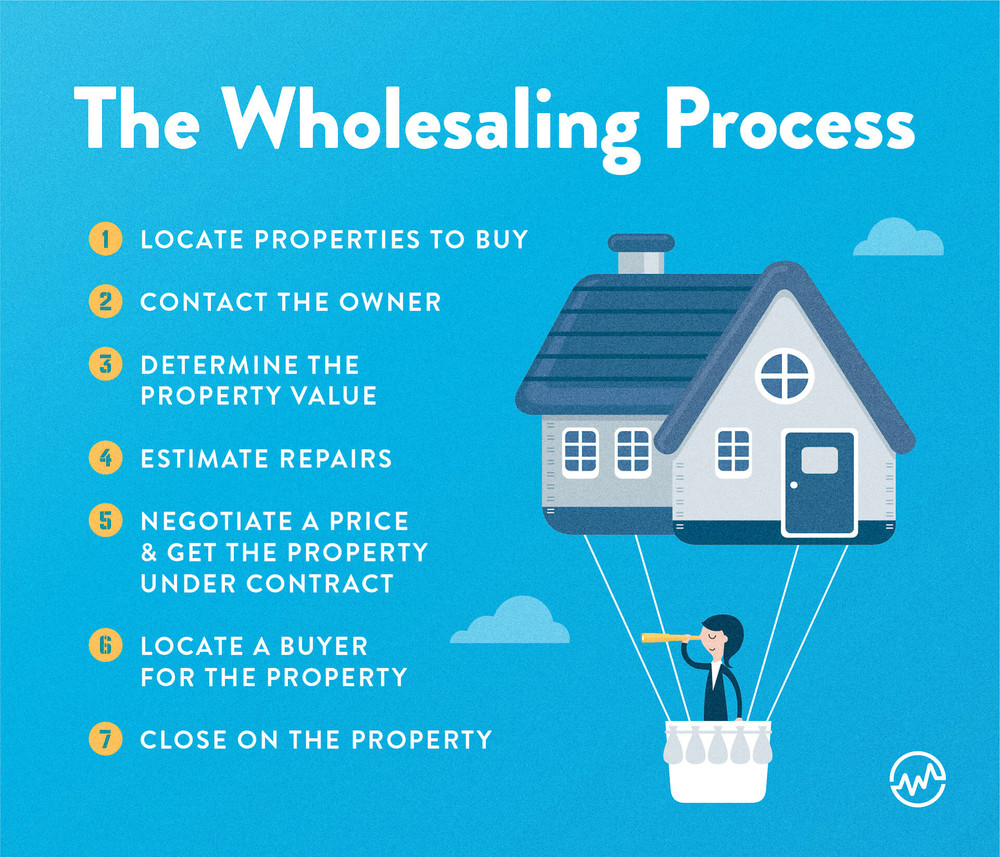
At its core, wholesaling is about securing a property under contract and then assigning that contract to another buyer. The goal is to earn an assignment fee by facilitating the transaction between seller and buyer. This strategy requires minimal capital investment and can yield quick returns. Knowledge of the mechanics of wholesaling is essential for evaluating its legal standing. It's important to distinguish wholesaling from other real estate activities to avoid misconceptions. By comprehending the fundamentals, you can better navigate the complexities surrounding wholesaling. When done correctly, wholesaling aligns with real estate laws and regulations.
Wholesaling requires you to find motivated sellers who are willing to sell their property below market value. Building relationships with buyers ensures a smooth and efficient transaction process. Transparency with both the seller and the buyer is essential to maintain trust and legality. Legal contracts are the backbone of legitimate wholesaling transactions. By adhering to these practices, you can operate as a wholesaler legitimately and effectively. Seeking knowledge from seasoned professionals helps navigate the wholesaling process.
Discover more about real estate investing, visit: investment property software
The Legal Framework of Real Estate Wholesaling
People often wonder if acting as a wholesaler requires a real estate license. Generally, if you have the property under contract, you're legally allowed to assign it. Misrepresenting your role can lead to legal issues and allegations of acting as an unlicensed agent. Some states have specific regulations that limit or govern wholesaling activities. It's important to use proper contracts that allow assignment and to include necessary disclosures. An attorney can provide guidance on compliance and help prevent potential legal pitfalls. Compliance with regulations establishes wholesaling as a lawful investment strategy.
Understanding the difference between acting as a principal and acting as an agent is crucial. Transparency helps prevent allegations of misrepresentation or fraud. Some jurisdictions may require you to perform certain actions to comply with real estate laws. Using standardized contracts recommended by industry professionals can enhance legality. Continuous education demonstrates professionalism and commitment to lawful practices. Leveraging knowledge shared by experienced investors enhances your legal compliance.
The Ethics of Wholesaling Houses
Beyond legality, ethical practices are essential in wholesaling to maintain integrity and reputation. There are concerns that wholesalers may exploit sellers' situations for personal gain. Being honest about your intentions and providing clear information helps foster positive relationships. Educating sellers about the process protects them and reinforces ethical standards. Integrity requires that you only commit to what you can deliver. Ethical behavior contributes to a positive image of wholesaling in the real estate market. Adherence to ethical principles reinforces the legitimacy and acceptance of wholesaling.
Focusing on trust and mutual benefit leads to repeat business and referrals. Providing value to sellers enhances your ethical standing and business success. Ethical dealings with buyers contribute to smoother transactions and partnerships. Professional associations often provide resources on maintaining high ethical standards. Reflect on your practices regularly to ensure they align with your ethical values. Participating in discussions fosters a community committed to ethical wholesaling.
Common Misconceptions About Wholesaling
Misunderstandings about the process lead to unfounded concerns about legality. Legitimate wholesaling adheres to legal standards and ethical practices. Many think that without a license, one cannot engage in wholesaling activities. Understanding the difference clarifies why wholesaling can be done without a license. Some assume that wholesaling is easy money without risks or challenges. Awareness of the facts enables you to navigate the wholesaling landscape with confidence. Clarifying these misunderstandings contributes to the overall acceptance and legitimacy of wholesaling.
Correcting misinformation opens doors for more people to engage in wholesaling. Educational content from trusted sources provides clarity and understanding. Open dialogue encourages learning and dispels misinformation. Acknowledging the challenges prepares you for the work involved in wholesaling. By addressing these misconceptions head-on, you strengthen the legitimacy of wholesaling. Informed investors are better equipped to conduct business responsibly.
Guidelines for Conducting Legitimate Wholesaling
Proper documentation is the foundation of legitimate wholesaling. Open communication ensures that sellers and buyers understand your involvement. Stay informed about local laws and regulations affecting wholesaling in your area. Work with real estate professionals, such as attorneys and licensed agents, when necessary. Treat sellers and buyers fairly, offering reasonable terms and honoring your commitments. Honesty is crucial for maintaining integrity in your business. Implementing best practices promotes acceptance and success in the real estate community.
Stay updated with industry trends and legal changes by following reputable sources. Community involvement enhances your knowledge and professional network. Organized processes lead to more consistent and successful transactions. Ethical handling of information is essential in maintaining professionalism. Constructive input helps you refine your approach and enhance client satisfaction. Detailed documentation can be invaluable in resolving disputes or verifying compliance. By integrating these practices into your business, you reinforce the legitimacy of wholesaling houses.
Real-Life Instances Where Wholesaling Houses Is Legitimate
Success stories highlight the viability of wholesaling when done correctly. By connecting investors with properties needing rehabilitation, they contribute positively. Wholesalers who maintain transparency and fairness often receive repeat business and referrals. Partnerships can provide additional resources and expertise. Successful deals benefit all parties involved when handled ethically. These examples demonstrate that wholesaling houses is legitimate when conducted properly. Learning from these cases can guide you in building your own legitimate wholesaling business.
Identifying key factors in successful wholesaling guides your own practices. Commitment to excellence is a hallmark of legitimate and successful wholesalers. Case studies offer valuable knowledge that can be applied to your business. These stories demonstrate that legitimacy and profitability go hand in hand. Consider sharing your own experiences to contribute to the community and support others. Accessing these examples through reputable sources enhances your understanding and confidence.
Conclusion
To wrap up, wholesaling's legitimacy depends on adherence to laws and ethical standards. By following regulations and acting ethically, you establish wholesaling as a valid approach. Knowledge empowers you to conduct wholesaling responsibly and successfully. By implementing best practices, you can build a reputable and profitable wholesaling business. Legitimate wholesaling can be a valuable addition to your investment portfolio. Consider exploring resources and communities dedicated to wholesaling for additional support. By upholding legality and ethics, you contribute positively to the real estate industry.
Your commitment to legality and ethics will set you apart in the industry. Access to quality information strengthens your ability to operate legitimately. A strong understanding of wholesaling equips you for challenges and opportunities. Ethical success in wholesaling contributes to your personal and professional satisfaction. Let this information guide you toward legitimate and successful wholesaling. Your dedication to these ideals shapes the future of your wholesaling business. Your proactive approach sets the stage for a rewarding wholesaling career.
For more information on real estate wholesaling, go to: property rehab software